

Blog
Yoga Ball Ab Exercises to Sculpt and Strengthen Your Core

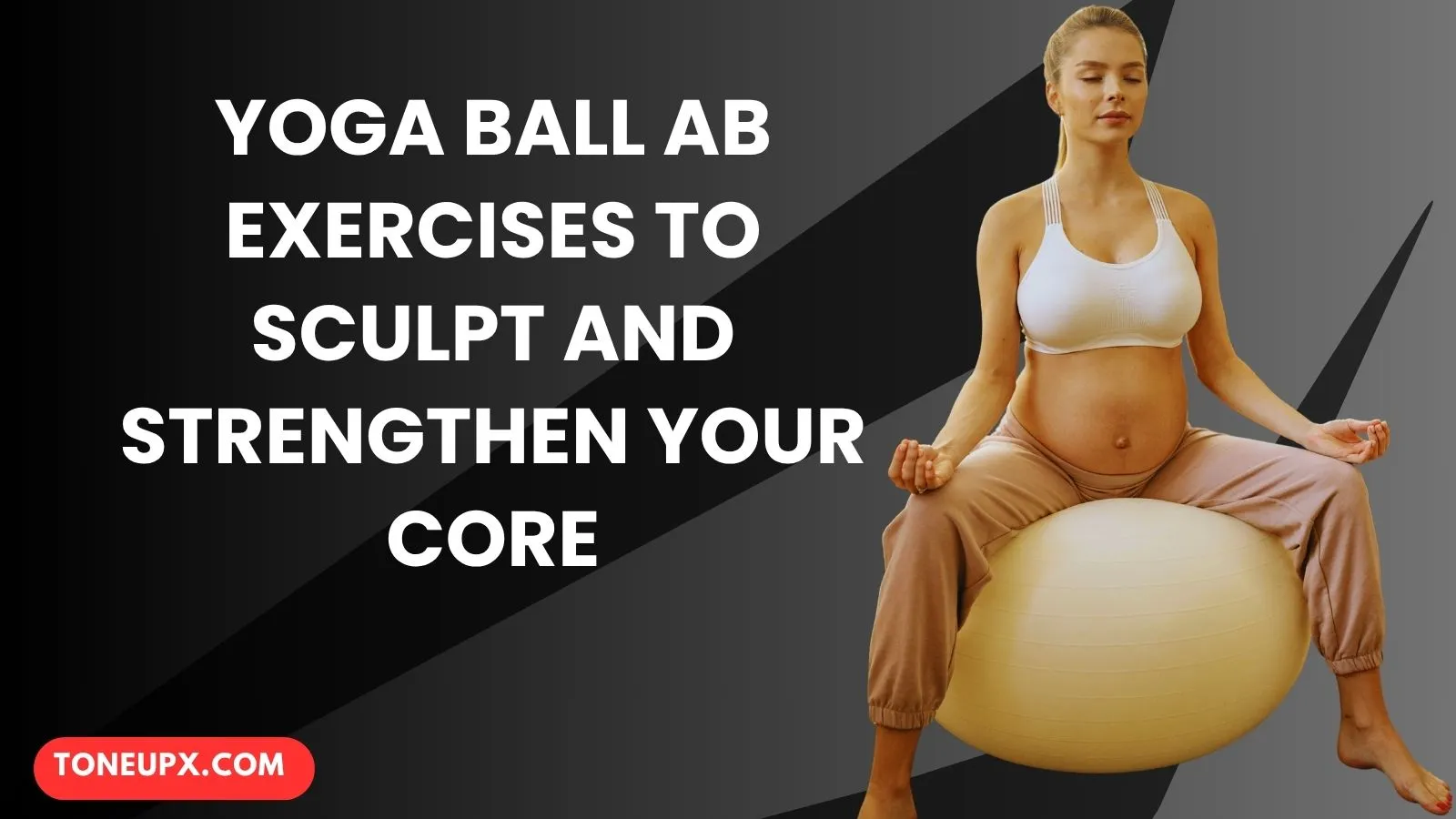
In today’s fitness landscape, achieving a strong, sculpted core has become more accessible than ever through innovative exercise equipment. Among the most effective tools for core strengthening are yoga ball ab exercises, which have revolutionized how Americans approach abdominal training. These versatile exercises not only target your rectus abdominis but also engage deep stabilizing muscles throughout your entire core. Whether you’re a fitness beginner or an experienced athlete, incorporating yoga ball ab exercises into your routine can dramatically enhance your core strength, improve posture, and reduce back pain. This comprehensive guide will explore the science behind these exercises, provide detailed instructions for various movements, and help you build an effective workout program that delivers real results.
Understanding the Science Behind Yoga Ball Ab Exercises
The Anatomy of Core Muscles
Your core consists of multiple muscle groups working together to provide stability and power. The primary muscles include the rectus abdominis (the “six-pack” muscles), transverse abdominis (deep abdominal muscles), internal and external obliques (side muscles), and the erector spinae (lower back muscles). Traditional floor exercises often isolate these muscles individually, but yoga ball exercises create a dynamic environment that forces multiple muscle groups to work simultaneously.
When you perform exercises on an unstable surface like a yoga ball, your body must constantly adjust to maintain balance. This instability recruitment activates proprioceptors – specialized sensory receptors that help your body understand its position in space. Research published in the Journal of Strength and Conditioning Research demonstrates that exercises performed on unstable surfaces can increase muscle activation by up to 30% compared to stable surface exercises.
Benefits of Instability Training
The unstable surface of a yoga ball creates what exercise physiologists call “perturbation training.” This type of training challenges your neuromuscular system to respond quickly to changing conditions, improving both strength and coordination. Studies have shown that instability training can improve core stability by 25-40% more effectively than traditional exercises.
Additionally, yoga ball exercises promote functional movement patterns that translate to real-world activities. Unlike machines that restrict movement to a single plane, the yoga ball allows three-dimensional movement, better preparing your core for daily activities like lifting, twisting, and reaching.
Essential Equipment and Setup
Choosing the Right Yoga Ball Size
Selecting the appropriate yoga ball size is crucial for both safety and effectiveness. The standard sizing guide based on height is:
- 4’11” – 5’4″: 55cm ball
- 5’5″ – 5’11”: 65cm ball
- 6’0″ – 6’7″: 75cm ball
- Over 6’8″: 85cm ball
When properly inflated, you should be able to sit on the ball with your hips and knees at 90-degree angles. The ball should be firm but not rock-hard, allowing for slight compression Safety Considerations and Proper Setup
Before beginning any yoga ball ab exercise routine, ensure your workout space has adequate clearance – at least 6 feet in all directions. Check your ball regularly for wear, punctures, or loss of air pressure. The ball should be inflated to manufacturer specifications, typically measured in pounds per square inch (PSI).
Always warm up before exercising and start with basic stability exercises before progressing to advanced movements. If you’re new to yoga ball exercises, consider having a spotter nearby during your first few sessions.
Fundamental Yoga Ball Ab Exercises for Beginners
Ball Sit and Balance
Begin your yoga ball journey with this foundational exercise. Sit on the ball with feet flat on the floor, hip-width apart. Engage your core muscles and lift one foot slightly off the ground for 10-15 seconds, then switch. This exercise teaches basic stability and activates deep core muscles.
Progression Tips:
- Start with 30-second holds per foot
- Progress to lifting both feet simultaneously
- Add arm movements while maintaining balance
Ball Wall Squats with Core Engagement
Place the yoga ball between your lower back and a wall. Walk your feet forward about 18 inches and slowly lower into a squat position while keeping the ball pressed against the wall. Hold for 2-3 seconds at the bottom, engaging your core throughout the movement.
This exercise not only strengthens your core but also targets your quadriceps and glutes while teaching proper squat mechanics. Perform 12-15 repetitions for 2-3 sets.
Modified Ball Plank
Kneel in front of the yoga ball and place your forearms on top. Roll forward until your body forms a straight line from knees to head. Hold this position for 20-30 seconds, focusing on keeping your core tight and avoiding sagging at the hips.
Form Cues:
- Keep shoulders directly over elbows
- Maintain neutral spine alignment
- Breathe steadily throughout the hold
Intermediate Yoga Ball Ab Exercises
Ball Crunches
Sit on the yoga ball and walk your feet forward until your lower back is supported by the ball. Place hands behind your head (not interlaced) and slowly crunch forward, lifting your shoulder blades off the ball. The key difference from floor crunches is the increased range of motion and constant core engagement required for stability.
Technique Points:
- Keep chin neutral, not tucked to chest
- Move slowly and controlled
- Focus on quality over quantity
- Perform 12-20 repetitions for 3 sets
Ball Pass Exercise
Lie on your back holding the yoga ball above your chest. Simultaneously lift your legs and upper body, passing the ball from your hands to between your ankles. Lower both your arms and legs toward the floor without touching, then repeat the movement, passing the ball back to your hands.
This exercise creates incredible core tension while improving coordination and full-body strength. It targets both upper and lower abdominal muscles while challenging your grip strength and shoulder stability.
Russian Twists on Ball
Sit on the yoga ball and walk your feet forward until only your upper back and shoulders rest on the ball. Hold a medicine ball or weight with both hands and rotate your torso from side to side, keeping your core engaged throughout the movement.
Modification Options:
- Bodyweight only for beginners
- 5-10 pound medicine ball for intermediate
- 15-20 pounds for advanced practitioners
Advanced Yoga Ball Ab Exercises
Ball Pike Rolls
Start in a plank position with your shins resting on the yoga ball. Keeping your legs straight, use your core muscles to roll the ball toward your hands by lifting your hips toward the ceiling. Your body should form an inverted V-shape at the top of the movement.
This advanced exercise requires significant core strength, shoulder stability, and coordination. It effectively targets the entire abdominal wall while improving functional movement patterns used in activities like gymnastics and martial arts.
Ball Mountain Climbers
Begin in a plank position with hands on the yoga ball. Alternate bringing your knees toward your chest in a running motion while maintaining balance on the ball. This exercise combines cardiovascular conditioning with core strengthening and challenges your stability in a dynamic way.
Performance Tips:
- Start slowly to master the movement
- Maintain straight arm position
- Keep hips level throughout the exercise
- Gradually increase speed as coordination improves
Single-Arm Ball Rollouts
Kneel behind the yoga ball and place one forearm on top. Slowly roll the ball forward while extending your arm, maintaining core tension throughout the movement. This unilateral exercise creates significant anti-extension and anti-rotation demands on your core.
Progression Sequence:
- Master bilateral rollouts first
- Progress to single-arm with shorter range
- Gradually increase range of motion
- Add pauses at extended position
Creating Your Yoga Ball Ab Workout Program
Weekly Programming Structure
An effective yoga ball ab program should be performed 3-4 times per week, allowing for adequate recovery between sessions. Structure your workouts using a periodized approach:
1-2 Week : Foundation Pase
Focus on basic stability exercises
- 2-3 exercises per session
- 2-3 sets of 8-12 repetitions
- 30-45 second holds for static exercises
3-4 Week : Development Phase
- Introduce intermediate exercises
- 3-4 exercises per session
- 3 sets of 10-15 repetitions
- 45-60 second holds
5-6 Week : Intensification Phase
- Add advanced movements
- 4-5 exercises per session
- 3-4 sets of 12-20 repetitions
- 60+ second holds
Sample Beginner Workout Routine
Warm-up (5 minutes):
- Gentle bouncing on ball
- Pelvic tilts
- Seated marching
Main Workout (20 minutes):
- Ball Sit and Balance – 3 sets of 30 seconds each leg
- Wall Squats with Ball – 3 sets of 12 repetitions
- Modified Ball Plank – 3 sets of 20-30 seconds
- Ball Crunches – 3 sets of 10-12 repetitions
Cool-down (5 minutes):
- Gentle stretching over the ball
- Deep breathing exercises
Progressive Overload Strategies
To continue seeing results, you must progressively challenge your muscles. With yoga ball exercises, you can increase difficulty through:
Time Manipulation:
- Increase hold times for static exercises
- Add tempo variations (slow eccentric phases)
- Incorporate pause reps
Range of Motion:
- Increase stretch at bottom of movements
- Progress to full range exercises
- Add end-range holds
External Load:
- Hold medicine balls or dumbbells
- Wear weighted vests
- Use resistance bands
Complexity:
- Add unstable surfaces under supporting limbs
- Incorporate multi-planar movements
- Combine upper and lower body movements
Common Mistakes and How to Avoid Them
Overinflation and Underinflation Issues
One of the most common errors is improper ball inflation. An overinflated ball becomes too firm, reducing the instability benefits and potentially causing discomfort. Conversely, an underinflated ball provides too much instability, making exercises unnecessarily difficult and potentially dangerous.
Test your ball’s inflation by sitting on it. Your hips and knees should form 90-degree angles when seated. The ball should compress slightly under your weight but maintain its shape.
Neglecting Proper Form for Repetitions
Many people sacrifice form to complete more repetitions. This approach not only reduces exercise effectiveness but also increases injury risk. Focus on controlled movements with perfect form rather than rushing through exercises.
Quality Indicators:
- Smooth, controlled movements
- Consistent breathing patterns
- Maintained neutral spine alignment
- No bouncing or jerky motions
Inappropriate Exercise Progression
Attempting advanced exercises before mastering basics is a recipe for injury and frustration. Follow a logical progression that builds strength and coordination gradually. Master each exercise level before progressing to more challenging variations.
Progression Checklist:
- Can perform exercise with perfect form
- No fatigue-induced form breakdown
- Comfortable with the instability challenge
- Can complete all prescribed sets and repetitions
Yoga Ball Ab Exercises Effectiveness Comparison
| Exercise Type | Muscle Activation Level | Difficulty | Equipment Needed | Calorie Burn (per minute) |
| Traditional Crunches | 70% | Beginner | None | 3-4 |
| Ball Crunches | 95% | Beginner-Intermediate | Yoga Ball | 5-6 |
| Planks (Floor) | 85% | Intermediate | None | 4-5 |
| Ball Planks | 110% | Intermediate-Advanced | Yoga Ball | 6-7 |
| Russian Twists (Floor) | 75% | Intermediate | None | 4-5 |
| Ball Russian Twists | 100% | Intermediate-Advanced | Yoga Ball, Optional Weight | 6-8 |
| Bicycle Crunches | 80% | Intermediate | None | 5-6 |
| Ball Mountain Climbers | 120% | Advanced | Yoga Ball | 8-10 |
| Dead Bug | 70% | Beginner | None | 3-4 |
| Ball Pass Exercise | 105% | Intermediate-Advanced | Yoga Ball | 7-9 |
Note: Muscle activation levels are relative to maximum voluntary contraction. Calorie burn varies based on body weight and exercise intensity.
Injury Prevention and Recovery
Pre-Exercise Assessment
Before beginning any yoga ball ab program, assess your current fitness level and any existing conditions. Individuals with lower back problems, hernias, or balance disorders should consult healthcare providers before starting instability training.
Self-Assessment Questions:
- Can you maintain good posture throughout daily activities?
- Do you experience back pain during traditional ab exercises?
- Are you comfortable with balance challenges?
- Have you had any recent injuries?
Warning Signs to Stop Exercise
Recognize when to pause or modify your workout. Stop immediately if you experience:
- Sharp or shooting pain
- Dizziness or nausea
- Inability to maintain proper form
- Excessive fatigue leading to form breakdown
Recovery and Regeneration
Proper recovery is essential for continued progress and injury prevention. Incorporate these recovery strategies:
Active Recovery:
- Light walking or gentle yoga
- Foam rolling and stretching
- Low-intensity movement patterns
Passive Recovery:
- Adequate sleep (7-9 hours nightly)
- Proper hydration
- Stress management techniques
Nutrition Support for Core Development
Macronutrient Considerations
While exercise builds muscle, nutrition reveals it. For optimal core development, focus on:
Protein: 0.8-1.2 grams per pound of body weight to support muscle recovery and growth. Quality sources include lean meats, fish, eggs, dairy, and plant-based options like legumes and quinoa.
Carbohydrates: 2-3 grams per pound for active individuals to fuel workouts and support recovery. Choose complex carbohydrates like whole grains, fruits, and vegetables.
Fats: 0.3-0.4 grams per pound from healthy sources like avocados, nuts, olive oil, and fatty fish to support hormone production and reduce inflammation.
Hydration and Performance
Proper hydration is crucial for optimal exercise performance and recovery. Dehydration can reduce strength by up to 15% and significantly impair coordination – both critical for yoga ball exercises.
Hydration Guidelines:
- Drink 16-20 ounces of water 2-3 hours before exercise
- Consume 8 ounces 15-20 minutes before beginning
- Sip 6-12 ounces every 15-20 minutes during exercise
- Rehydrate with 150% of fluid lost through sweat post-exercise
Measuring Progress and Results
Objective Measurement Methods
Track your progress using quantifiable metrics:
Strength Measures:
- Maximum plank hold time
- Number of quality ball crunches completed
- Advanced exercise progressions achieved
Functional Assessments:
- Single-leg balance time
- Ability to maintain neutral spine during daily activities
- Reduced back pain incidents
Body Composition Changes:
- Waist circumference measurements
- Body fat percentage (using DEXA scan or BodPod when available)
- Progress photos taken under consistent conditions
Setting SMART Goals
Establish Specific, Measurable, Achievable, Relevant, and Time-bound goals:
Example SMART Goals:
- “Increase ball plank hold time from 30 seconds to 60 seconds within 4 weeks”
- “Complete 20 perfect ball crunches without form breakdown by month’s end”
- “Reduce waist circumference by 1 inch in 8 weeks through consistent training”
Advanced Programming Strategies
Periodization for Long-term Success
Implement periodized training to prevent plateaus and optimize results:
Linear Periodization:
- Week 1-4: High volume, moderate intensity
- Week 5-8: Moderate volume, high intensity
- Week 9-12: Low volume, very high intensity
- Week 13: Deload/recovery week
Undulating Periodization:
- Vary intensity and volume within each week
- Monday: High intensity, low volume
- Wednesday: Moderate intensity, moderate volume
- Friday: Low intensity, high volume
Integration with Other Training Modalities
Combine yoga ball ab exercises with complementary training methods:
Strength Training Integration:
- Use ball exercises as warm-up activation
- Incorporate as accessory movements
- Utilize for active recovery between sets
Cardiovascular Training:
- Create circuit-style workouts combining ball exercises with cardio
- Use ball exercises during active recovery periods
- Implement high-intensity interval training (HIIT) protocols
Special Populations and Modifications
Seniors and Older Adults
Yoga ball exercises can be particularly beneficial for older adults, improving balance, coordination, and functional strength. However, modifications are often necessary:
Safety Modifications:
- Start with partially deflated balls for increased stability
- Always have sturdy support nearby
- Focus on seated exercises initially
- Emphasize slow, controlled movements
Pregnant Women
With proper modifications and medical clearance, yoga ball exercises can benefit pregnant women by strengthening core muscles and improving posture. However, specific guidelines apply:
Pregnancy Considerations:
- Avoid supine exercises after first trimester
- Focus on seated and side-lying positions
- Emphasize pelvic floor engagement
- Reduce intensity as pregnancy progresses
Athletes and Sports-Specific Applications
Different sports benefit from specific yoga ball exercise adaptations:
Rotational Sports (Golf, Tennis, Baseball):
- Emphasize rotational movements and anti-rotation exercises
- Focus on power development through the core
- Incorporate sport-specific movement patterns
Endurance Sports (Running, Cycling):
- Target postural endurance and stability
- Address common imbalances from repetitive movements
- Incorporate exercises that improve breathing efficiency
Frequently Asked Questions
For optimal results, perform yoga ball ab exercises 3-4 times per week, allowing at least 48 hours of recovery between sessions. This frequency provides adequate stimulus for strength development while preventing overuse injuries. Beginners may start with 2-3 sessions per week and gradually increase frequency as fitness improves.
While yoga ball exercises are highly effective, a well-rounded core program should include various training methods. Yoga ball exercises excel at improving stability and functional strength, but traditional exercises, resistance training, and other modalities offer unique benefits. Consider yoga ball exercises as a valuable component of a comprehensive core training program rather than a complete replacement.
Choose your yoga ball size based on your height: 55cm for heights 4’11”-5’4″, 65cm for 5’5″-5’11”, 75cm for 6’0″-6’7″, and 85cm for those over 6’8″. When properly inflated and seated on the ball, your hips and knees should form 90-degree angles. The correct size ensures optimal exercise mechanics and safety.
Individuals with existing back conditions should consult healthcare providers before beginning yoga ball exercises. When performed correctly with appropriate progressions, these exercises can actually help reduce back pain by strengthening supporting musculature. However, improper form or inappropriate exercise selection can exacerbate existing problems.
While a quality yoga ball is the primary equipment needed, some exercises benefit from additional tools. A yoga mat provides cushioning and stability for floor-based exercises, while resistance bands or light weights can add variety and progression options. However, many effective workouts require only the ball itself.
Conclusion
Yoga ball ab exercises represent a revolutionary approach to core training that goes far beyond traditional methods. By incorporating instability training into your fitness routine, you’re not just building stronger abdominal muscles – you’re developing functional strength, improved balance, and better movement patterns that translate directly to enhanced quality of life.
The journey to a stronger core through yoga ball exercises requires dedication, proper progression, and attention to form, but the rewards are substantial. From reduced back pain and improved posture to enhanced athletic performance and increased confidence, the benefits extend well beyond aesthetics. Whether you’re a fitness beginner taking your first steps toward better health or an experienced athlete seeking to optimize performance, yoga ball ab exercises offer scalable challenges that grow with your abilities.
Remember that consistency trumps perfection. Start where you are, progress at your own pace, and celebrate the small victories along the way. Your core strength journey is unique to you, and with the comprehensive knowledge provided in this guide, you’re well-equipped to succeed.
Take the first step toward transforming your core today. Your future self will thank you for the strength, stability, and confidence that come from a well-developed midsection. The path to a stronger core begins with a single exercise – make today the day you begin that journey.
Ready to start your yoga ball ab exercise journey? Discover the perfect high-quality yoga ball for your fitness transformation and take the first step toward the strong, stable core you’ve always wanted. Your transformation starts with the right equipment and the commitment to consistency.
Additional Resources:
- American Council on Exercise: ACE Fitness Exercise Library
- National Academy of Sports Medicine: Core Training Guidelines
- Journal of Strength and Conditioning Research: Instability Training Studies
Related Posts

The Art of Movement with Peanut Yoga Balls
-
Posted by
 toneupx


